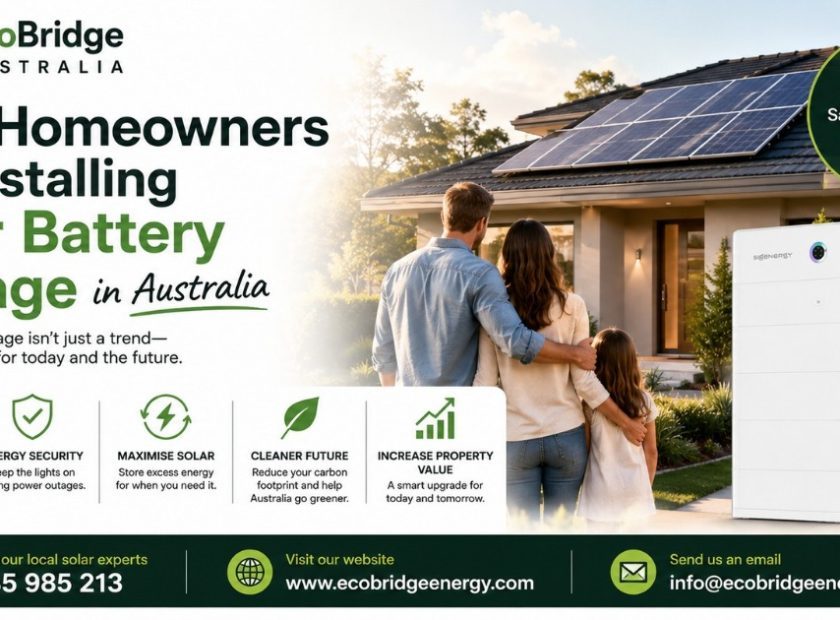
Choosing the right home battery is an important step towards energy independence. With electricity costs, solar adoption and interest in backup power continuing to shape Australian households, homeowners are increasingly looking for battery systems that offer reliability, flexibility and long-term value.
Two options worth comparing are the Sungrow SBH vs Sigenergy SigenStor. Both are designed for modern energy storage applications, but their features, system configurations and integration options may suit different households.
At EcoBridge, we believe the best battery is not necessarily the most expensive or feature-packed one. It is the system that matches your electricity consumption, solar setup, budget and future energy needs.
In this guide, we compare Sungrow SBH and Sigenergy SigenStor to help you make a more informed decision.
What Is the Sungrow SBH Home Battery?
The Sungrow SBH is a high-voltage lithium iron phosphate (LFP) battery system designed to store surplus electricity generated by solar panels for later use.
Instead of sending all your excess solar energy to the grid, a compatible battery can store that energy for use in the evening, overnight or during periods when solar production is low.
Key benefits of Sungrow SBH
- Solar energy storage: Store surplus solar generation and use it when your household needs it.
- Modular capacity: Suitable configurations can be selected to match household energy requirements.
- LFP battery chemistry: Lithium iron phosphate technology is known for its thermal stability and durability.
- Smart energy management: Compatible equipment can help coordinate solar generation, battery charging and household consumption.
- Potential bill savings: Using stored solar electricity may reduce the amount of electricity purchased from the grid.
The final performance of a Sungrow SBH installation depends on the selected battery configuration, compatible inverter, household energy consumption and installation design.
What Is the Sigenergy SigenStor?
The Sigenergy SigenStor is an integrated home energy storage platform designed to bring together battery storage and other compatible energy components within a coordinated system.
Depending on the selected configuration, the SigenStor ecosystem can support solar energy management, battery storage and additional energy technologies, including EV charging and backup functionality where supported.
Key benefits of Sigenergy SigenStor
- Integrated energy management: Coordinate compatible energy components through a unified system.
- Flexible configurations: Choose a suitable battery arrangement based on your energy requirements and available space.
- Smart monitoring: Monitor energy production, storage and consumption using compatible monitoring tools.
- EV charging integration: Selected configurations can integrate with compatible electric vehicle charging equipment.
- Future-ready options: The broader ecosystem may suit households planning to expand their renewable energy capabilities.
Actual features depend on the selected SigenStor model, inverter configuration, accessories and local installation requirements.
Sungrow SBH vs Sigenergy SigenStor: Key Differences
| Feature | Sungrow SBH | Sigenergy SigenStor |
|---|---|---|
| Main purpose | High-voltage home battery storage | Integrated home energy storage platform |
| Battery technology | Lithium iron phosphate (LFP) | Lithium iron phosphate (LFP) |
| System approach | Battery paired with compatible power conversion equipment | Integrated ecosystem with compatible energy components |
| Energy management | Depends on compatible Sungrow equipment and configuration | Designed for coordinated management of compatible system components |
| EV charging integration | Depends on the wider system and compatible equipment | A key option within the wider SigenStor ecosystem |
| Expandability | Depends on approved battery configuration and system limits | Depends on the selected system and manufacturer-approved configuration |
| Backup power | Requires compatible equipment and appropriate system design | Available in supported configurations with the required equipment |
| Best suited to | Homeowners prioritising a suitable solar-and-battery solution | Homeowners interested in a more integrated energy ecosystem |
Important: Specifications, usable capacity, backup capability, warranties and compatibility should be confirmed against the exact models available at the time of quotation.
1. Battery Capacity and Household Energy Needs
Battery capacity is one of the most important factors when comparing home energy storage systems.
A smaller household may need a different storage capacity from a family that uses air conditioning, electric cooking, pool equipment or an electric vehicle.
Before choosing between Sungrow SBH and Sigenergy SigenStor, consider:
- Your average daily electricity consumption.
- How much surplus solar energy your system produces.
- How much electricity you use after sunset.
- Whether you need to power essential appliances during a blackout.
- Whether you plan to add an EV or other high-energy appliances.
A properly sized battery can help maximise the value of your solar system without paying for more storage than you are likely to use.
2. Performance and Energy Efficiency
Battery performance is about more than the advertised capacity. Charging and discharging efficiency, inverter performance, operating conditions and system design all influence how much usable electricity reaches your home.
Both systems should be assessed using their current manufacturer specifications and the requirements of your property.
Ask your installer to explain the usable battery capacity, continuous power output, backup power limits and expected performance under your household’s normal operating conditions.
3. Backup Power During Blackouts
For many Australian households, backup power is an important reason to install a battery.
However, installing a battery does not automatically mean your home will have power during a blackout. Backup operation depends on the selected equipment, approved system configuration, wiring and commissioning.
Before purchasing either system, clarify:
- Which circuits will remain powered during an outage.
- Whether the system can support the appliances you need.
- The maximum backup power available.
- Whether additional backup hardware or electrical work is required.
A professional assessment will help you understand what your chosen system can realistically deliver.
4. Smart Features and Future Expansion
The right system should meet your needs today while allowing for your future plans where possible.
Sungrow SBH may be suitable for homeowners seeking a battery solution within a compatible Sungrow solar and energy system.
Sigenergy SigenStor may appeal to households looking for an integrated energy platform that can accommodate compatible technologies such as EV charging and advanced energy management.
Neither option should be selected on future features alone. Confirm compatibility, upgrade costs and manufacturer-approved expansion limits before committing.
5. Installation Cost and Long-Term Value
The total cost of a home battery installation depends on much more than the battery itself.
Your quote may include the battery modules, inverter or power conversion equipment, backup hardware, electrical protection, switchboard upgrades, cabling, labour and commissioning.
Other considerations include warranty conditions, expected energy savings, maintenance requirements and the value of any available incentives.
Rather than comparing the headline price alone, request itemised quotations for comparable system configurations.
A good comparison should show the installed price, usable capacity, backup capability, warranty details and estimated savings assumptions for each option.
Which Home Battery Is Best for Australian Homes?
The answer depends on your household’s priorities.
Choose Sungrow SBH if:
- You want to compare a dedicated high-voltage battery solution.
- Your existing or planned solar equipment is compatible with Sungrow.
- You prioritise practical storage capacity and a system suited to your daily electricity usage.
- You want a clear assessment of installed cost and potential savings.
Consider Sigenergy SigenStor if:
- You are interested in a more integrated home energy platform.
- You may want compatible EV charging or other energy technologies.
- You value coordinated energy management and future expansion options.
- You want to explore the capabilities of the broader Sigenergy ecosystem.
These are starting points rather than absolute recommendations. The most suitable system depends on the exact models, configuration, price and installation requirements.
How EcoBridge Can Help
At EcoBridge, we help Australian homeowners explore solar and battery solutions that align with their property, energy usage and long-term goals.
Our approach focuses on understanding your needs before recommending a system. We can help you compare suitable options, review installation requirements and understand the factors that influence battery performance and payback.
Whether you are considering Sungrow SBH, Sigenergy SigenStor or another compatible battery solution, a tailored assessment can help you make a more confident decision.
Final Verdict: Sungrow SBH or Sigenergy SigenStor?
There is no single winner for every Australian household.
Sungrow SBH is worth considering if you want a high-voltage battery storage solution suited to your solar setup. Sigenergy SigenStor is worth considering if an integrated energy ecosystem and compatible expansion options are important to you.
The smartest choice is the one that delivers the right combination of usable storage, backup capability, compatibility, installation quality and long-term value for your home.
Ready to compare your options?
Contact EcoBridge to discuss your household’s energy needs and request a tailored solar battery assessment.
Disclaimer: Product specifications, pricing, availability, rebates and warranties may change. Confirm current manufacturer documentation and applicable Australian requirements before purchasing. Energy savings depend on household consumption, solar generation, tariffs, system design and operating conditions.
Contact EcoBridge for Your Home Battery Quote
Thinking about installing a home battery? EcoBridge can help you explore suitable solar and battery storage options for your property.
Whether you are comparing Sungrow SBH and Sigenergy SigenStor or planning a new solar installation, our team can help you understand your options and request a tailored assessment.
Get in touch with EcoBridge today.
- Email:info@ecobridgeenergy.com
- Website:https://ecobridgeenergy.com/
Take the next step towards smarter energy use, greater energy independence and a more sustainable home.
Frequently Asked Questions About Sungrow SBH vs Sigenergy SigenStor
1. Which is better, Sungrow SBH or Sigenergy SigenStor?
Both are worth considering for Australian homes. Sungrow SBH is a high-voltage battery storage option, while Sigenergy SigenStor offers an integrated home energy platform. The best choice depends on your electricity usage, solar equipment, budget, backup requirements and plans for future expansion.
2. Are Sungrow SBH and Sigenergy SigenStor compatible with solar panels?
Both systems are designed for solar energy storage when installed with compatible equipment. Compatibility depends on the specific inverter, battery configuration and existing solar installation. Ask your installer to verify your system before purchasing.
3. Can these batteries power my home during a blackout?
They can support backup power in appropriately configured installations. However, blackout protection is not automatic. You may need compatible backup equipment, dedicated backup circuits and additional electrical work. Your installer should confirm which appliances can operate during an outage.
4. Which battery is more affordable?
The total installed cost varies according to battery capacity, inverter requirements, accessories, backup capability and installation complexity. Request itemised quotes for comparable configurations rather than comparing battery prices alone.
5. Can I expand my home battery capacity later?
Expansion options depend on the specific model, approved battery configuration and manufacturer requirements. If you expect your electricity consumption to increase, discuss future capacity requirements with your installer before selecting a system.
6. Which battery is better for a home with an electric vehicle?
Sigenergy SigenStor may be attractive to homeowners interested in integrating compatible EV charging with their wider home energy system. Sungrow may also suit EV-owning households, depending on the compatible equipment selected. Compare charging requirements, available power and integration costs before deciding.
7. How long do home solar batteries last?
Battery lifespan depends on the product, usage patterns, temperature, operating conditions and warranty terms. Check the current manufacturer’s warranty for the exact model, including the warranty period, throughput limits where applicable and any required operating conditions.
8. Will a home battery reduce my electricity bills?
A home battery can help reduce grid electricity purchases by storing surplus solar energy for use when solar generation is low. Actual savings depend on your electricity tariff, solar production, household consumption, battery size and charging and discharging strategy.
9. Is a larger battery always better?
No. A larger battery may store more electricity, but it can also increase the initial investment. The ideal capacity should reflect how much surplus solar energy you generate and how much electricity you use outside solar production hours.
10. Are government rebates available for home batteries in Australia?
Eligible households may be able to access applicable federal or state incentives, depending on the current scheme rules, installation date, location and equipment eligibility. Check the latest official requirements before including any rebate in your budget.
11. Can EcoBridge help me choose between Sungrow and Sigenergy?
Yes. You can contact EcoBridge to discuss your household energy requirements and explore suitable solar and battery options. A tailored assessment can help you compare system configurations, installation costs, compatibility and expected savings.