
Heat Pump
Smart Hot Water Solutions Made Easy
Rebates and financial incentives are offered Australia-wide at a federal and state level for using hot water heaters powered by renewable energy. Additional rebates may be available from state governments or local councils.
Heating hot water is one of the biggest the sources of energy use in the home, accounting for 15% to 30% of household energy use. To keep these costs under control and save energy you could install an efficient heat pump or solar hot water system.
The Solar Homes hot water rebate can help you to cover the cost of this. The hot water rebate is calculated after any other discounts have been applied (including Small-scale Technology Certificates) and is a 50% rebate on the purchase price of the product.


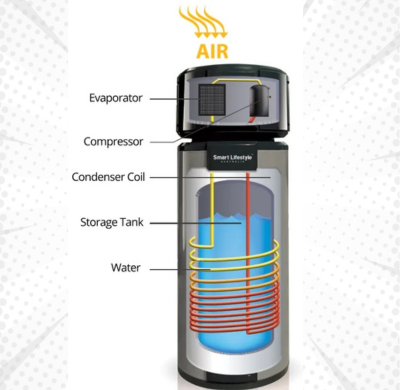
How a heat pump works – The Future of Heat Pumps
- A fan draws in air, containing heat energy, across the evaporator.
- The evaporator turns the liquid refrigerant into a gas.
- The compressor pressurises the refrigerant into a hot gas.
- The hot gas inside the condenser coil heats the water inside the coil-wrapped tank.
- The refrigerant reverts back to a liquid after heating the water and continues to the evaporator for the process to start again.
Types Of Solar Rebates
ESS Rebates (NSW)
The NSW Energy Savings Scheme (ESS) helps reduce the cost of upgrading to energy-efficient systems like solar and heat pump hot water units. Through this program, eligible installations generate Energy Savings Certificates (ESCs), which can be traded for upfront discounts.
By partnering with approved providers like Green Energy Trading, EcoBridge ensures you receive maximum savings with a smooth and compliant process.
👉 Important: To qualify, you must register with an approved provider before installation. Once registered, your eligible system will be assessed, and rebates will be applied based on current certificate values.
QLD Climate Smart Energy Savers Rebate
QLD Climate Smart Rebate
Eligible Queensland households can receive up to $800 or $1,000 (low-income) when upgrading to energy-efficient hot water systems like heat pumps.
QLD QBEST Business Rebate Small and medium businesses in Queensland can claim up to $12,500 for upgrading to energy-efficient equipment, including heat pump hot water systems.
QLD QBEST Business Rebate Small and medium businesses in Queensland can claim up to $12,500 for upgrading to energy-efficient equipment, including heat pump hot water systems.
South Australia Rebate
The City of Adelaide provides financial incentives for installing sustainable technology in apartments, commercial buildings and houses to enhance energy and water efficiency.
STC Rebate Zones Australia is divided into five zones based on how much renewable energy can be generated by a solar collector system in a given area.
STC Rebate Zones Australia is divided into five zones based on how much renewable energy can be generated by a solar collector system in a given area.
Small-scale Technology Certificates (STCs)
STCs are rebates available nationally that can offset the initial cost of your CO2 Heat Pump Hot Water System. An STC is a measure of renewable energy that can be traded for cash, or a discount, on the purchase price of a hot water system. Each STC represents a megawatt hour (MWh) per year of electricity displaced by an eligible system. To ensure STCs are valid, they must be created within 12 months of the system being installed. Australia is divided into five STC rebate zones based on how much renewable energy can be generated by a heat pump system in a given area.
VEU Rebates
The Victorian Energy Upgrades (VEU) program offers significant, upfront rebates for installing energy-efficient heat pump hot water systems, often saving households over $1,000. By replacing old electric or gas heaters, residents can reduce water heating costs by up to 75%. Accredited installers manage the paperwork and provide the discount directly on the invoice.
How Efficient Are Heat Pumps?
Heat pumps don’t create heat like electric heaters or gas boilers—instead, they transfer existing heat from one place to another. This simple process is what makes them highly energy-efficient.
For comparison, a standard electric heater produces one unit of heat for every unit of electricity it uses, which is 100% efficiency. Heat pumps, however, can deliver three to four units of heat using the same amount of electricity, making them 300% to 400% efficient in ideal conditions.
This efficiency is measured by the Coefficient of Performance (COP), which indicates how much heat is generated per unit of electricity. For example, a COP of 3 means the system produces three units of heat for every one unit of energy consumed.
Actual performance can vary depending on the climate. Heat pumps tend to work most efficiently in warmer conditions when heat is easier to extract from the air. Even in colder weather, while efficiency may drop slightly, they still generally outperform traditional heating systems.
Up to 70% more efficient than electric water systems.
Heat pumps use a CFC-free refrigerant to absorb energy from the air, heating the water to a temperature adjustable between 30°C to 90°C. It consumes up to 70% less electrical energy than a conventional electric water heater, as the electrical power it consumes is only to operate the compressor and fan.
By now, you have a clear understanding of how heat pumps work and why they are so energy-efficient. Instead of generating heat from scratch, they transfer existing heat, allowing them to achieve efficiencies of 300% to 400%.
If you’re looking to reduce your energy bills and lower your environmental impact, combining a heat pump with a reliable solar and battery solution from EcoBridge is a smart choice. It’s an effective way to create a more efficient, flexible, and sustainable home energy system.
Make the switch today with EcoBridge and enjoy greater comfort, lower costs, and a cleaner, greener future.
how we work
Upgrade to Energy-Efficient Hot Water in 4 Easy Steps
StepsGetting clean energy installed in your home is simple with EcoBridge. From your first enquiry to a fully running system, we handle every step with care and professionalism.
some questions
Frequently Asked Questions
FAQ1.How much electricity does a heat pump use per month?
Heat pumps don’t suddenly stop working, They continue to operate even in temperatures as low as -10°C. While efficiency reduces in colder conditions, they remain effective.
In Australia’s mild climate, heat pumps work efficiently all year round without the need for backup heating.
2.At what temperature do heat pumps stop working?
Most heat pumps work efficiently in temperatures as low as -10°C to -15°C. Below this temperature, the heat pump will struggle to work and backup heating may be required. In South Africa, temperatures rarely drop this low, so heat pumps are reliable all year round. Premium models can operate in temperatures as low as -25°C, but they cost more.
3.How does a heat pump work?
Air Heat Extraction: A refrigerant‑filled evaporator coil draws warmth from the surrounding air, even down to about 5 °C.
Compression: The vaporized refrigerant is pressurized by a compressor, sharply raising its temperature.
Heat Transfer: The hot refrigerant flows through coils inside the water tank, releasing its heat and warming the water to around 55 °C.
Expansion & Repeat: An expansion valve cools and depressurizes the refrigerant, readying it to absorb more heat and continue the cycle.
By moving heat rather than generating it, a heat pump geyser uses 60–75% less electricity compared to a conventional electric element geyser.
4.Who will conduct the installation?
A certified electrician will visit your property to install your hot water system. All installers carry official company ID, so you can be confident you’re dealing with a trusted and authorised representative.
Get Free Quote Today

Helping homeowners across the UK and Australia make smarter energy decisions with trusted guidance, local support, and solutions designed for the long term.
Contacts
Australia
UK
info@ecobridge.com
sales@ecobridge.com
About
Location We Serve
New South Wales (NSW)
Queensland (QLD)
South Australia (SA)
Tasmania (TAS)
Victoria (VIC)
Western Australia (WA)
London (UK)
Edinburgh (UK)
Cardiff (UK)
Belfast (UK)
Copyright © 2020 Ecobridge by Digibison . All Rights Reserved