Read More

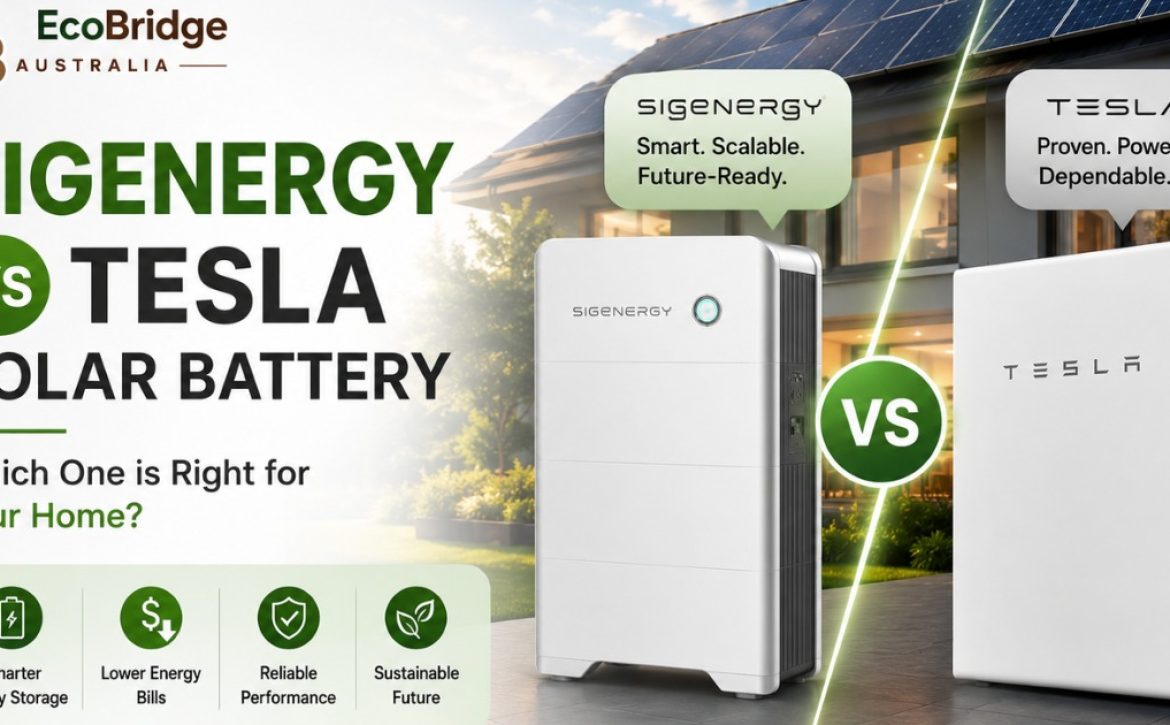
SigenStor BAT 10 vs Sigenergy Neo: The Ultimate Australian Home Battery Comparison

As more Australian homeowners invest in rooftop solar, choosing the right battery has become just as important as selecting quality solar panels. Sigenergy has quickly become one of the most talked-about brands in the energy storage market, offering innovative battery systems designed to maximize solar savings, provide reliable backup power, and support Australia’s growing demand for smart energy management.

Two of its most notable offerings are the SigenStor BAT 10 and the Sigenergy Neo. While both are designed to help homeowners store excess solar energy and reduce electricity bills, they cater to different needs and budgets.

In this guide, we’ll compare the two systems across design, performance, scalability, smart features, installation, and ideal applications to help you decide which battery is right for your home.

Quick Comparison

  • Feature SigenStor BAT 10 Sigenergy Neo
  • Target User Premium residential & commercial Residential homeowners
  • Battery Type Modular LFP Battery Modular LFP Battery
  • Scalability Highly expandable Expandable for residential use
  • AI Energy Management Yes Yes
  • Backup Power Whole-home backup capable Essential home backup
  • EV Charger Integration Available Not available on standard models
  • Installation More configurable Faster and simpler
  • Best For Large homes & future expansion Small to medium homes

Design & Build Quality

Both batteries use Lithium Iron Phosphate (LFP) chemistry, one of the safest and longest-lasting battery technologies available today.

The SigenStor BAT 10 is designed as a premium modular energy platform. Beyond battery storage, it integrates seamlessly with hybrid inverters, backup systems, and EV charging, making it an ideal choice for homeowners planning a complete smart energy ecosystem.

The Sigenergy Neo, on the other hand, focuses on simplicity. It offers a sleek, compact design with straightforward installation, making it an attractive option for households looking to add battery storage without the complexity of a fully integrated energy hub.

Battery Capacity & Expandability

One of the biggest differences lies in scalability.

SigenStor BAT 10

The BAT 10 is built for homeowners who want flexibility. As your energy needs grow, additional battery modules can be added, making it suitable for:

  • Large families
  • Homes with swimming pools
  • Electric vehicle owners
  • High electricity consumption
  • Future solar expansion
Sigenergy Neo

Neo is designed with residential users in mind. It supports modular expansion for growing energy needs but is generally aimed at homeowners seeking practical storage for everyday solar self-consumption rather than extensive future upgrades.

Smart Energy Management

Both batteries include intelligent energy management software that helps homeowners:

  • Maximise solar self-consumption
  • Reduce reliance on the grid
  • Monitor battery performance in real time
  • View energy production and consumption through a mobile app
  • Optimise charging and discharging based on household demand

For users who enjoy advanced automation and energy optimisation, the SigenStor platform offers greater flexibility within a broader smart home ecosystem.

Backup Power Performance

Power outages are becoming more common in some parts of Australia, making backup capability an increasingly important feature.

SigenStor BAT 10

Designed to support whole-home backup (subject to system configuration), the BAT 10 can continue powering multiple essential appliances during grid outages.

This makes it ideal for households wanting uninterrupted operation of:

  • Refrigerators
  • Air conditioners
  • Medical equipment
  • Home offices
  • Internet and security systems
Sigenergy Neo

Neo also provides backup functionality, allowing homeowners to keep essential circuits running during outages. It is best suited for households prioritising critical loads rather than full-home backup.

Installation

SigenStor BAT 10

Because it supports advanced configurations, installation may involve more planning, particularly for larger systems or homes incorporating EV charging and extensive backup requirements.

Sigenergy Neo

Neo has been designed for straightforward installation, helping reduce installation time while delivering reliable battery storage for everyday residential applications.

Which Battery Is Better for Australian Homes?

Choose the SigenStor BAT 10 if you:

  • Have high daily electricity usage
  • Want whole-home backup capability
  • Plan to purchase an electric vehicle
  • Intend to expand your solar system in the future
  • Prefer a premium, future-ready energy solution

Choose the Sigenergy Neo if you:

  • Want an affordable home battery
  • Have a small to medium-sized household
  • Need reliable backup for essential appliances
  • Want a simpler installation
  • Are focused on reducing electricity bills through better solar utilisation

Pros and Cons

SigenStor BAT 10

Pros

  • Premium modular platform
  • Excellent scalability
  • Smart AI energy optimisation
  • Advanced backup capabilities
  • Supports integrated energy ecosystem features

Cons

  • Higher upfront investment
  • More complex installation for advanced configurations
Sigenergy Neo

Pros

  • Compact and modern design
  • Easy installation
  • Smart monitoring features
  • Suitable for most Australian homes
  • Lower entry cost

Cons

  • Fewer advanced integration options
  • More limited than the SigenStor platform for large-scale energy systems

Final Verdict

Both the SigenStor BAT 10 and Sigenergy Neo are excellent battery solutions that utilise safe LFP technology and intelligent energy management.

If you’re building a premium, future-proof energy system with room for expansion, EV charging, and advanced backup capabilities, the SigenStor BAT 10 stands out as the stronger long-term investment.

However, if your goal is to maximise your solar savings with a reliable, modern battery that’s simple to install and well suited to the needs of most Australian households, the Sigenergy Neo offers outstanding value.

Ultimately, the best choice depends on your home’s energy consumption, future plans, and budget. Consulting with a qualified solar installer can help ensure you select the right battery system to meet your household’s current and future energy needs.

Contact EcoBridge Australia

Looking for expert advice on choosing the right home battery system for your property? EcoBridge Australia provides professional consultation, system design, and installation services for premium battery storage solutions, including Sigenergy products, across Australia. Their experienced team can help you compare battery options, understand available rebates, and recommend the best solution for your home’s energy needs.

Contact Details

Frequently Asked Questions (FAQs)

1. What is the main difference between SigenStor BAT 10 and Sigenergy Neo?

The SigenStor BAT 10 is a premium modular energy storage system with advanced features like EV DC charging integration and scalable capacity, while Sigenergy Neo is designed as a more affordable battery solution for homeowners seeking reliable backup power and energy savings.

2. Which battery is better for Australian homes?

Both systems perform well in Australian conditions. If you need advanced smart energy management and future expansion, SigenStor BAT 10 is an excellent choice. If you’re looking for a cost-effective battery with dependable performance, Sigenergy Neo offers great value.

3. Can these batteries work during a power outage?

Yes. Both batteries can provide backup power when installed with the appropriate backup configuration and compatible inverter settings.

4. Are SigenStor BAT 10 and Sigenergy Neo scalable?

Yes. Both systems feature modular designs, allowing homeowners to increase storage capacity as their energy requirements grow.

5. Can I pair these batteries with existing solar panels?

Yes. Both battery systems are compatible with many residential solar PV systems, although compatibility depends on your inverter and overall system design.

6. Which battery offers better value for money?

If you prioritize advanced technology and premium features, SigenStor BAT 10 delivers excellent long-term value. If affordability is your main concern, Sigenergy Neo provides strong performance at a lower upfront investment.

7. Are these batteries eligible for Australian rebates?

Eligibility depends on your state or territory and the current government incentive programs. Battery rebate schemes vary across Australia, so it’s best to check the latest local incentives before purchasing.

8. How long do these batteries typically last?

Both systems use lithium iron phosphate (LiFePO₄) battery technology, which is known for long service life. With normal residential use and proper maintenance, they are designed to provide many years of reliable performance.

9. Which battery is better for future home electrification?

If you plan to add an EV charger, increase your solar capacity, or build a smart energy management system, SigenStor BAT 10 offers greater flexibility and advanced integration features.

10. Where can I get professional advice before buying?

EcoBridge Australia can assess your home’s energy usage, compare battery options, explain available rebates, and recommend the most suitable battery storage solution for your needs.

Read More

Canberra Solar and Battery Installation Guide: Everything You Need to Know Before Buying

With electricity prices continuing to rise across the ACT, more Canberra homeowners are turning to solar power and battery storage to reduce their energy bills and gain greater control over their electricity usage. However, choosing the right solar and battery system can be confusing, especially with so many products,Solar and Battery Installation, and financing options available.

This guide covers everything Canberra homeowners need to know before investing in a Solar and Battery Installation.

Why Solar and Battery Installation Make Sense in Canberra

Canberra enjoys excellent solar conditions throughout the year, making it one of Australia’s best locations for residential solar power systems. By generating your own electricity during the day and storing excess energy in a battery for evening use, you can significantly reduce your reliance on the grid.

Key benefits include:
  • Lower electricity bills
  • Protection against future energy price increases
  • Increased energy independence
  • Reduced carbon footprint
  • Backup power capabilities during outages (with selected battery systems)

How Solar Panels Work

Solar panels convert sunlight into electricity. During daylight hours, the energy produced by your solar system powers your home first. Any excess electricity can either be exported to the grid or stored in a battery for later use.

The larger your solar system, the more electricity you can generate, helping offset a greater portion of your household consumption.

Why Add a Solar and Battery Installation

Without a battery, excess solar energy generated during the day is typically exported back to the grid for a relatively low feed-in tariff.

A battery allows you to store that energy and use it during the evening when electricity prices are generally higher.

Benefits of battery storage include:

1. Greater Bill Savings

Instead of buying electricity from the grid at night, you can use your stored solar energy.

2. Increased Self-Consumption

Many households can increase solar self-consumption from around 30% to more than 80% with battery storage.

3. Backup Power

Certain battery systems can provide backup power during grid outages, keeping essential appliances running.

4. Future-Proofing Your Home

As electricity prices continue to rise, battery storage becomes increasingly valuable.

Choosing the Right Solar and Battery Installation Size

Every home is different, and the ideal system size depends on:

  • Household electricity usage
  • Number of occupants
  • Roof size and orientation
  • Future energy needs
  • Electric vehicle charging requirements

Typical Canberra household recommendations:

Daily Usage Recommended Solar Size
10–20 kWh 6.6 kW
20–35 kWh 10 kW
35–50 kWh 13.2 kW
50+ kWh 15–20 kW

Choosing the Right Battery Size

Battery sizing should match your overnight electricity consumption.

General guide:

Night Usage Recommended Battery
8–12 kWh 10–13 kWh Battery
12–20 kWh 15–20 kWh Battery
20–30 kWh 25–30 kWh Battery
30+ kWh 40+ kWh Battery

Oversizing or undersizing a battery can impact overall system performance and return on investment.

Popular Battery Brands in Canberra Solar and Battery Installation

Several reputable battery brands are available in the ACT, including:

  • Sigenergy SigenStor
  • Sungrow Battery Systems
  • Tesla Powerwall
  • GoodWe Lynx
  • AlphaESS
  • Growatt Battery Systems
  • FoxESS Energy Storage

Each offers different capacities, backup options, and smart energy management features.

What to Look for When Comparing Quotes

When reviewing solar and battery proposals, don’t focus solely on price.

Important factors include:

  • Quality Components

Look for trusted panel, inverter, and battery manufacturers with strong Australian support.

  • Installation Experience

Choose an installer with experience in ACT regulations and local network requirements.

  • Warranty Coverage

Check product warranties as well as workmanship warranties.

  • Monitoring Platform

A good monitoring app helps track system performance and energy usage.

  • Backup Functionality

Not all batteries provide blackout protection by default. Ask your installer if backup power is included.

  • How Much Can You Save?

Savings vary depending on electricity usage, system size, and battery capacity.

Many Canberra households can reduce their electricity bills by 60% to 90% after installing a properly sized solar and battery system.

Homes with high evening electricity consumption often achieve the greatest savings.

Is Now a Good Time to Buy?

With electricity prices increasing and battery technology becoming more advanced, many Canberra homeowners are finding that solar and battery systems deliver strong long-term value.

Installing a system today can help protect your household from future energy cost increases while reducing your dependence on the grid.

Final Thoughts

Investing in solar and battery storage is one of the smartest upgrades Canberra homeowners can make. The right system can dramatically reduce electricity bills, increase energy independence, and add long-term value to your property.

Before purchasing, ensure your system is tailored to your household’s energy usage and future needs. A professional assessment of your electricity bills and property can help determine the most suitable solar and battery solution for your home.

Looking for a Solar and Battery Quote in Canberra?

Our team can provide a free energy assessment and recommend the ideal solar and battery system based on your electricity usage, roof space, and budget. Contact us today to discover how much you could save.

Contact EcoBridge Australia today:

Email: info@ecobridgeenergy.com

Website: https://ecobridgeenergy.com/

Frequently Asked Questions (FAQs)

1. Is Canberra a good location for solar panels?

Yes. Canberra receives excellent sunlight throughout the year, making it one of Australia’s best locations for residential solar systems. Many homeowners can generate a significant portion of their electricity needs from solar energy.

2. How much does a solar and battery system cost in Canberra?

The cost depends on system size, equipment quality, and installation requirements. A standard residential solar system generally costs less than a solar-plus-battery system, with battery storage increasing the overall investment. A personalised quote is the best way to determine pricing.

3. What size solar system do I need?

The ideal system size depends on your household’s electricity usage, roof space, number of occupants, and future energy requirements such as electric vehicle charging or pool heating.

4. How long do solar panels last?

Most quality solar panels come with performance warranties of 25 years or more and can continue producing electricity well beyond this period.

5. Is a solar battery worth it in Canberra?

For many households, yes. A battery allows you to store excess solar energy for evening use, reduce grid reliance, increase self-consumption, and potentially provide backup power during blackouts.

6. How much battery storage do I need?

Battery size should generally match your overnight electricity consumption. A professional energy assessment can determine the most suitable battery capacity for your household.

7. Can a solar battery power my home during a blackout?

Some battery systems offer backup power functionality; however, not all batteries include this feature as standard. Always check with your installer to confirm backup capabilities.

8. How much can I save with solar and battery storage?

Savings vary depending on electricity usage patterns, system size, and energy tariffs. Many Canberra households reduce their electricity bills by between 60% and 90% with a properly designed system.

9. Are there rebates or incentives available for solar batteries in the ACT?

Government incentives and battery programs may be available from time to time. Eligibility and availability can change, so it’s important to check current ACT and federal programs when considering installation.

10. How long does solar and battery installation take?

Most residential installations are completed within one to two days, depending on system size and site complexity.

11. What should I look for when comparing solar quotes?

Compare product quality, warranties, installer experience, monitoring features, after-sales support, and backup functionality—not just the upfront price.

12. How do I get started with solar and batteries?

Start by arranging a professional energy assessment. Reviewing your electricity bills, roof layout, and future energy plans will help determine the best solar and battery solution for your home.

This article is structured to rank for keywords such as Canberra solar installation, ACT solar batteries, solar battery Canberra, solar and battery system ACT, and Canberra solar guide while also generating homeowner enquiries.

Read More

What the NSW Home Energy Saver Loan means for NSW Residents

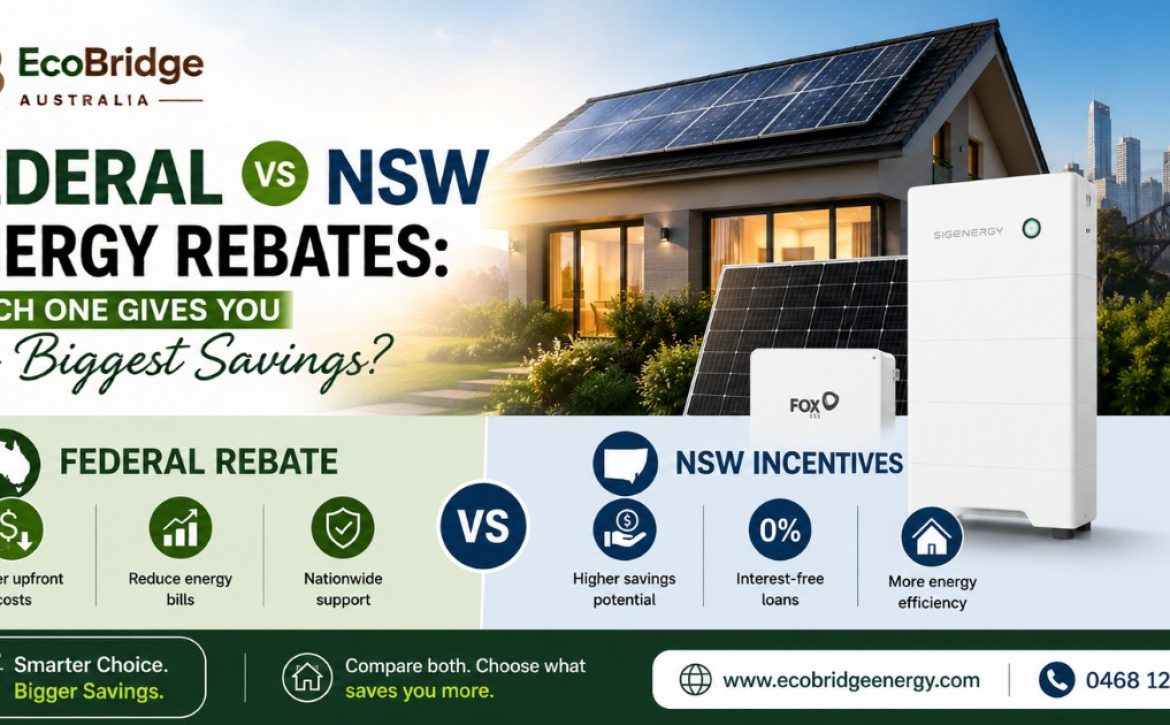
The NSW Government has introduced the Home Energy Saver Loan Program, a major initiative designed to help households access affordable energy-saving upgrades. With rising electricity prices and increasing demand for sustainable living solutions, this program gives eligible residents access to interest-free loans of up to $15,000 to improve the energy efficiency of their homes.

Launched on 17 June 2026, the program aims to make solar panels, battery storage systems, efficient heating and cooling, insulation, and other energy-saving technologies more accessible for low and middle-income households across New South Wales.

What Is the NSW Home Energy Saver Loan?

The Home Energy Saver Loan is a government-backed initiative that provides 0% interest financing for approved home energy upgrades. The goal is to reduce the upfront cost barrier that often prevents homeowners from investing in energy-efficient technologies.

By spreading the cost over manageable repayments, homeowners can start enjoying lower energy bills while upgrading their property’s comfort, efficiency, and sustainability.

Key Features of the NSW Home Energy Saver Loan

DetailsInformation
Program Start Date17 June 2026
Loan AmountUp to $15,000
Interest Rate0% Interest
LocationNSW Properties Only
Income EligibilityCombined household income below $210,000 per year
Property OwnersOwner-occupiers and landlords
Property TypesHouses and apartments
Eligible UpgradesApproved energy-saving upgrades
End DateCurrently no announced end date

In addition, the NSW Government has announced plans for further discounts of up to $4,000 for eligible low-income households earning less than $80,000 per year, with further details expected soon.

Who Is Eligible?

To qualify for the Home Energy Saver Loan, applicants must:

  • Be an Australian citizen or permanent resident.
  • Own a property located in New South Wales.
  • Have a combined household income below $210,000 per year.
  • Be either an owner-occupier or landlord.
  • Use the loan for approved energy-saving upgrades.
  • Meet the lending provider’s serviceability requirements.

Both standalone homes and apartment owners may be eligible.

Eligible Energy-Saving Upgrades

The loan can be used for a wide range of approved home energy improvements, including:

Energy Generation & Storage
Heating, Cooling & Hot Water
  • Reverse cycle air conditioners
  • Heat pump hot water systems
  • Solar hot water systems
  • Ceiling fans
  • Ceiling insulation
  • Double-glazed windows and doors
  • Draught proofing
Home & Lifestyle Upgrades
  • Induction cooktops replacing gas appliances
  • Electric vehicle (EV) chargers
  • NatHERS home energy assessments

These upgrades are designed to help households lower energy consumption, reduce utility bills, and create more comfortable living environments.

Why This Program Matters

The upfront cost of energy-efficient upgrades has traditionally been one of the biggest barriers for homeowners.

The Home Energy Saver Loan Program helps address this challenge by providing access to affordable financing, allowing more NSW residents to:

  • Lower electricity bills
  • Reduce dependence on the grid
  • Improve home comfort year-round
  • Increase property value
  • Reduce greenhouse gas emissions
  • Support Australia’s clean energy transition

For many households, the savings generated from lower energy bills can help offset loan repayments, making the upgrades more affordable in the long term.

How to Apply for the NSW Home Energy Saver Loan

Step 1: Find an Approved Finance Provider

Visit the official Home Energy Saver Loan Program website and choose an approved finance provider.

Step 2: Obtain Quotes

Request quotes from approved suppliers for your chosen energy-saving upgrades.

Step 3: Submit Your Application

Complete the loan application and provide supporting documents such as:

  • Proof of property ownership
  • Income documentation
  • Identification
  • Serviceability information
Step 4: Loan Approval

If approved, you’ll receive a loan agreement outlining the terms and repayment schedule.

Step 5: Installation

Once the agreement is signed, your chosen supplier can complete the installation.

Step 6: Repayments Begin

The finance provider pays the supplier directly, and your agreed repayments commence.

Why Choose EcoBridge Australia?

At EcoBridge Australia, we help NSW homeowners take advantage of available government incentives and financing programs to make energy-efficient upgrades more affordable.

Our experienced team can assist with:

  • Solar panel installations
  • Home battery systems
  • Heat pump hot water systems
  • Reverse cycle air conditioning
  • Energy-efficient home upgrades
  • Guidance on rebates and government programs

We work with trusted products and qualified installers to ensure every customer receives a solution tailored to their energy needs and budget.

Contact EcoBridge Australia

Ready to upgrade your home and reduce your energy bills?

EcoBridge Australia

📧 Email: info@ecobridgeenergy.com

🌐 Website: www.ecobridgeenergy.com

Speak with our team today to learn how you can benefit from the NSW Home Energy Saver Loan Program.


Frequently Asked Questions

What is the NSW Home Energy Saver Loan?

The Home Energy Saver Loan is a government-backed financing program offering eligible NSW residents access to interest-free loans of up to $15,000 for approved energy-saving upgrades.

How much can I borrow?

Eligible applicants can access loans of up to $15,000 depending on their chosen upgrades and lending assessment.

Who is eligible for the program?

Owner-occupiers and landlords with a combined household income below $210,000 per year may be eligible, subject to program requirements.

Can I use the loan for solar panels?

Yes. Rooftop solar systems are among the approved upgrades covered by the program.

Are home batteries included?

Yes. Residential battery storage systems are eligible under the Home Energy Saver Loan Program.

Can apartment owners apply?

Yes. Both houses and apartment properties may qualify if they meet the program requirements.

Is the loan really interest-free?

Yes. Approved applicants receive a zero-interest loan through participating finance providers.

Is there a deadline to apply?

At the time of writing, no official end date has been announced for the program.

Can I combine the loan with government rebates?

In many cases, eligible homeowners may be able to combine financing with available rebates and incentives. Speak with EcoBridge Australia to explore your options.

How can EcoBridge Australia help?

EcoBridge Australia can help you choose the right upgrades, understand your eligibility, and install quality energy-efficient solutions for your home.