Category: Australia

Read More

Why Homeowners Are Installing Solar Battery Storage in Australia

As electricity prices continue to climb across Australia, more homeowners are turning to solar battery storage systems to take control of their energy usage and reduce reliance on the electricity grid. Whether you’re in Melbourne, regional Victoria, or elsewhere in Australia, adding a battery to your solar system can help lower electricity bills while increasing energy independence.

At EcoBridge Australia, we help households choose reliable battery storage solutions that maximise the value of their solar investment and provide long-term savings.

Why Solar Battery Storage Is Growing in Popularity

A standard solar system generates electricity during the day when the sun is shining. Without a battery, any unused energy is typically exported back to the grid.

A solar battery changes that by storing excess energy for use later in the evening or during periods of high electricity demand.

Key Benefits of Solar Battery Storage:


1. Lower electricity bills
2. Greater energy independence
3. Better use of your solar power
4. Backup power during outages (on compatible systems)
5. Reduced reliance on expensive peak-time electricity
6. Long-term savings and improved energy efficiency

As battery technology continues to improve, many Australian homeowners now view battery storage as an essential part of a modern energy-efficient home.

Battery Storage for Australian Homes:

Battery systems are particularly valuable for households that consume most of their electricity after sunset.

Instead of purchasing expensive grid power in the evening, stored solar energy can be used to run appliances, lighting, and heating or cooling systems.

This makes battery storage an ideal upgrade for:

1. Families with high evening energy usage
2. Homes with existing solar panels
3. Electric vehicle owners
4. Households wanting backup power
5. Homeowners aiming for greater energy independence
6. Popular Solar Battery Brands Available Through EcoBridge Australia

EcoBridge Australia offers high-quality battery solutions from trusted manufacturers, including:

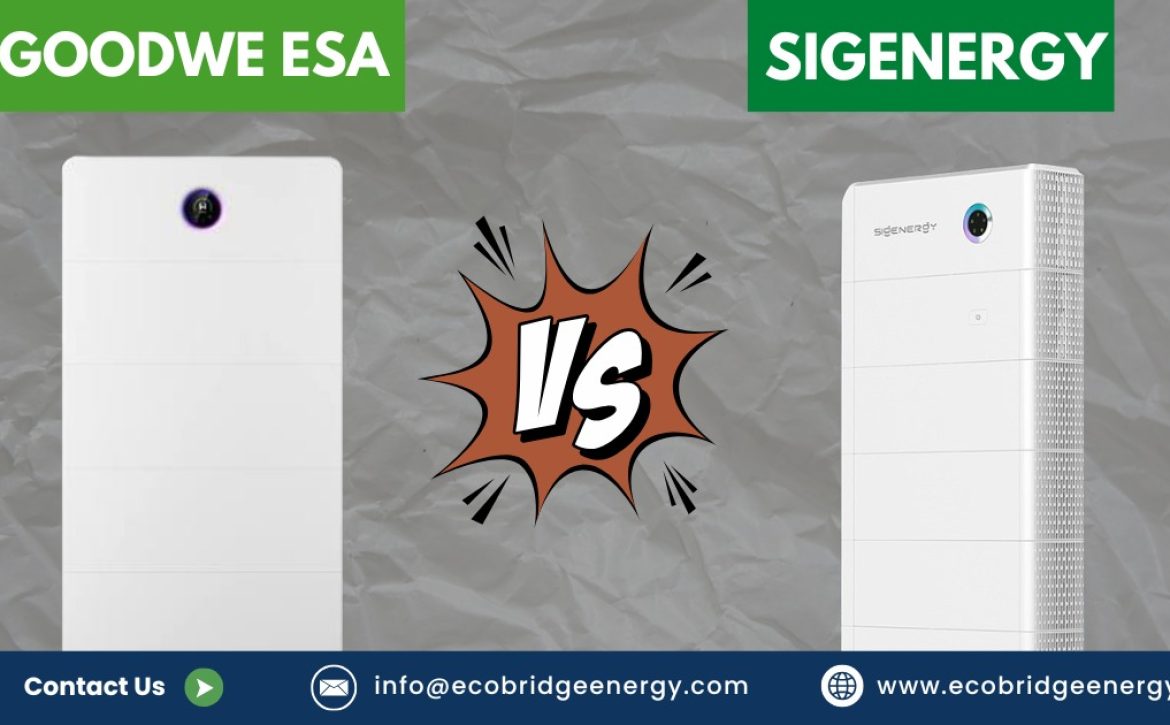
  • Sigenergy
  • FOX ESS
  • Sungrow
  • Tesla Powerwall
  • BYD
  • Other premium battery solutions

Our experienced team can recommend the best option based on your home’s energy consumption and future requirements.

How to Choose the Right Solar Battery:-

  1. Battery Capacity

The ideal battery size depends on your daily electricity usage.

Smaller homes may require around 10–13kWh, while larger households or EV owners often benefit from larger storage capacities.

  1. Backup Power Capability

Many premium battery systems provide emergency backup power, helping keep essential appliances running during blackouts.

  1. Smart Energy Monitoring

Modern batteries include mobile apps that allow homeowners to monitor:

  • Solar generation
  • Battery charge level
  • Household consumption
  • Grid imports and exports

This helps optimise energy usage and maximise savings.

  1. Warranty & Reliability

Most leading battery manufacturers offer warranties ranging from 10 to 15 years, providing peace of mind and long-term value.

Why Sigenergy Is Becoming a Popular Choice

One of the most advanced energy storage solutions available today is the Sigenergy Smart Energy System.

It combines multiple technologies into one integrated platform, including:

  • High-performance battery storage
  • Hybrid inverter technology
  • Intelligent energy management
  • EV charger compatibility
  • Backup power functionality
  • Mobile monitoring and remote control

Its modular design also allows homeowners to expand storage capacity as their energy needs grow.

Are Solar Batteries Worth It?

For many Australian households, the answer is yes.

Battery storage can provide significant value for homeowners who:

  • Use more electricity during the evening
  • Want to reduce electricity bills
  • Own an electric vehicle
  • Need reliable backup power
  • Want to maximise self-consumption of solar energy

When paired with a quality solar system and smart energy management, battery storage can deliver long-term financial and environmental benefits.

Government Rebates & Incentives

Depending on your location and eligibility, various government rebates and incentive programs may help reduce the upfront cost of installing solar battery systems.

EcoBridge Australia can guide homeowners through available rebate opportunities and recommend solutions that maximise value.

Final Thoughts

Solar battery storage is rapidly becoming one of the smartest investments for Australian homeowners looking to reduce electricity costs and gain greater control over their energy usage.

Whether you’re installing a new solar system or upgrading an existing one, adding battery storage allows you to store more of your own clean energy and rely less on the grid.

At EcoBridge Australia, our team can help you select the right battery solution based on your household’s energy needs, budget, and future goals.

Frequently Asked Questions

  1. What does a solar battery do?

A solar battery stores excess electricity generated by your solar panels so it can be used later when your panels are not producing power.

  1. Is solar battery storage worth it in Australia?

For many households, yes. Battery storage can reduce electricity bills, increase energy independence, and provide backup power depending on the system.

  1. Which battery size should I choose?

The ideal size depends on your daily energy consumption, household size, and whether you own an EV or plan to expand your solar system.

  1. Can I add a battery to my existing solar system?

Yes. Many modern battery systems can be integrated with existing solar installations, although compatibility should be assessed by a qualified installer.

  1. How long do solar batteries last?

Most premium batteries are designed to last between 10 and 15 years and come with manufacturer warranties.

  1. Does EcoBridge Australia install battery storage systems?

Yes. EcoBridge Australia supplies and installs high-quality solar battery systems tailored to residential and commercial properties across Australia.

Contact EcoBridge Australia

📧 Email: info@ecobridgeenergy.com

🌐 Website: www.ecobridgeenergy.com

Speak with our experts today to find the right solar battery solution for your home and start maximising your solar savings.

Read More

Air Conditioner Symbols: A Complete Guide for Australian Homeowners

Have you ever looked at your air conditioner remote and wondered what all those symbols actually mean? You’re not alone.

Modern air conditioners come packed with advanced features designed to improve comfort, enhance energy efficiency, and provide greater control over your indoor climate. However, understanding the various icons displayed on your remote control can often be confusing.

Whether you’ve recently installed a new split system air conditioner or have been using one for years, knowing what each symbol means can help you maximise performance, reduce electricity costs, and create a more comfortable home environment.

At EcoBridge Australia, we believe that understanding how your air conditioner works is just as important as choosing the right system. In this guide, we’ll explain the most common air conditioner symbols and how to use them effectively throughout the year.

Why Understanding Air Conditioner Symbols Matters

Today’s air conditioning systems offer far more than simple cooling and heating. By learning how to use your remote correctly, you can:

  • Improve cooling and heating performance
  • Reduce energy consumption
  • Lower electricity bills
  • Extend the lifespan of your air conditioner
  • Maintain a more comfortable indoor environment
  • Get the best return on your investment

Even small adjustments to your settings can make a noticeable difference to both comfort and running costs.


Quick Reference Guide to Air Conditioner Symbols

SymbolFunctionBest Used For
PowerTurning the unit on or off
❄️Cooling ModeHot summer days
☀️Heating ModeCold winter months
💧Dry ModeHumid weather conditions
🌀Fan ModeAir circulation
🔄Auto ModeAutomatic temperature control
↕️Vertical SwingUp and down airflow
↔️Horizontal SwingSide-to-side airflow
🕒TimerScheduled operation
🌙Sleep ModeNight-time comfort and efficiency

Most Common Air Conditioner Symbols Explained

Power Symbol (⏻)

The power symbol is one of the most recognisable icons found on every air conditioner remote. It is typically displayed as a vertical line within a circle and is used to switch the unit on or off.

Mode Symbol

The Mode button allows you to switch between different operating functions, including:

  • Cooling Mode
  • Heating Mode
  • Dry Mode
  • Fan Mode
  • Auto Mode

Selecting the appropriate mode helps your system operate more efficiently throughout the year.


Operating Mode Symbols

❄️ Cooling Mode (Snowflake)

The snowflake symbol activates cooling mode. This setting lowers the room temperature by producing cool air and is commonly used during Australia’s hot summer months.

☀️ Heating Mode (Sun)

The sun icon represents heating mode. Reverse-cycle air conditioners use this setting to provide warm air during winter, making them a versatile year-round solution.

💧 Dry Mode (Water Droplet)

Dry Mode focuses on removing excess moisture from the air rather than significantly lowering the temperature. It is ideal during humid weather and can make a room feel more comfortable without excessive cooling.

🌀 Fan Mode

Fan Mode circulates air throughout the room without heating or cooling. This setting consumes less energy and is useful when you simply want improved airflow.

🔄 Auto Mode

Auto Mode automatically adjusts temperature and fan speed based on room conditions. This feature helps maintain consistent comfort while optimising energy efficiency.


Airflow Control Symbols

↕️ Vertical Swing

Vertical Swing moves the air vanes up and down, distributing conditioned air more evenly throughout the room.

↔️ Horizontal Swing

Horizontal Swing moves the louvres from side to side, helping spread airflow across a wider area for improved comfort.


Timer and Sleep Functions

On Timer

Allows you to schedule your air conditioner to turn on automatically at a selected time.

This feature is ideal for cooling or heating a room before you arrive home.

Off Timer

Automatically switches the air conditioner off after a predetermined period, helping reduce unnecessary energy usage.

🌙 Sleep Mode

Sleep Mode gradually adjusts temperature and fan settings during the night to maintain comfort while minimising electricity consumption.


Temperature Adjustment Buttons

Most remotes include “+” and “–” buttons that allow you to increase or decrease the desired temperature.

Even a small temperature adjustment can have a significant impact on energy consumption and running costs.

For maximum efficiency during summer, many Australian households find that setting the temperature between 24°C and 26°C provides an ideal balance between comfort and energy savings.


Advanced Air Conditioner Symbols

Depending on the brand and model, you may also encounter:

⚡ Turbo or Powerful Mode

Rapidly cools or heats a room by operating at maximum output.

🌱 Eco Mode

Reduces power consumption while maintaining comfortable room conditions.

🔇 Quiet Mode

Lowers fan speed and operational noise, making it ideal for bedrooms and study areas.

📶 Wi-Fi Symbol

Indicates that your air conditioner can connect to a smartphone app for remote control and scheduling.

🔒 Child Lock

Prevents accidental changes to settings by locking remote functions.

🧹 Filter Reminder

Alerts you when your air conditioner filter requires cleaning or maintenance.


Brand-Specific Air Conditioner Symbols

Most major brands use similar symbols, including:

  • Mitsubishi Electric
  • Panasonic
  • Fujitsu
  • LG
  • Samsung
  • Daikin

However, some manufacturers include unique icons for specialised features. If you encounter an unfamiliar symbol, consult your air conditioner’s user manual for clarification.


Energy-Saving Air Conditioner Tips

Making a few simple changes can significantly improve efficiency:

  • Set cooling temperatures between 24°C and 26°C.
  • Use Timer functions to avoid unnecessary operation.
  • Activate Sleep Mode overnight.
  • Use Auto Mode for automatic optimisation.
  • Clean filters regularly.
  • Keep doors and windows closed when operating the system.
  • Close blinds and curtains during hot afternoons to reduce heat gain.

These simple habits can help lower electricity bills while maintaining year-round comfort.


Smart Air Conditioner Controls

Many modern air conditioners now offer Wi-Fi connectivity and smartphone app integration.

Smart controls allow homeowners to:

  • Adjust temperature remotely
  • Change operating modes
  • Create daily schedules
  • Monitor energy usage
  • Improve efficiency while away from home

These features make managing your home’s climate easier and more convenient than ever.


Frequently Asked Questions

What does the snowflake symbol mean on an air conditioner?

The snowflake symbol activates Cooling Mode, which lowers the room temperature by producing cool air.

What is Dry Mode used for?

Dry Mode removes excess moisture from the air and is particularly useful during humid weather conditions.

Should I use Auto Mode or Cool Mode?

Auto Mode automatically adjusts settings to maintain comfort and efficiency, while Cool Mode provides direct cooling at your chosen temperature.

What temperature should I set my air conditioner in Australia?

For most homes, 24°C–26°C during summer offers an excellent balance between comfort and energy efficiency.

Does Sleep Mode save electricity?

Yes. Sleep Mode gradually adjusts temperatures overnight, helping reduce energy consumption while maintaining comfort.

What does the fan symbol mean?

Fan Mode circulates indoor air without heating or cooling it, making it an energy-efficient option for improving airflow.

How often should I clean my air conditioner filter?

Most manufacturers recommend cleaning filters every one to three months, depending on usage and environmental conditions.


Final Thoughts

Understanding the symbols on your air conditioner remote can help you get the most from your system. From selecting the correct operating mode to using energy-saving features effectively, these simple controls can improve comfort, lower electricity bills, and extend the life of your air conditioner.

If you’re considering upgrading your air conditioning system or need expert advice on choosing the right solution for your home, EcoBridge Australia is here to help.

Contact EcoBridge Australia

📧 Email: info@ecobridgeenergy.com
🌐 Website: https://ecobridgeenergy.com

Speak with our team today for expert advice and professional installation services tailored to Australian homes.

Read More

What size air conditioner does you home need in Victoria

Choosing the right air conditioner size is one of the most important decisions when cooling or heating your home. A system that is too small may struggle to maintain comfortable temperatures, while an oversized unit can increase energy consumption, cycle on and off frequently, and reduce overall efficiency. Industry guides consistently recommend matching the air conditioner capacity to the room size while also considering factors such as insulation, ceiling height, sunlight exposure, and local climate.

At Ecobridge Australia, we help homeowners select energy-efficient air conditioning solutions that deliver year-round comfort without unnecessary running costs.

Why Air Conditioner Sizing Matters

Correct sizing helps ensure:

  • Consistent indoor comfort
  • Lower energy bills
  • Improved system efficiency
  • Longer equipment lifespan
  • Better humidity control

An undersized system works harder to cool the space, while an oversized system may short-cycle, reducing comfort and increasing wear and tear.


Air Conditioner Size Guide by Room Area

The table below provides a general guide for selecting air conditioner capacity based on room size.

Room SizeTypical Room TypeRecommended Capacity
Up to 20m²Bedroom, Study, Small Office2.0 – 2.5 kW
20 – 40m²Master Bedroom, Small Living Room2.5 – 5.0 kW
40 – 60m²Large Living Room, Open Space4.0 – 6.0 kW
60 – 80m²Large Open Plan Areas5.0 – 7.0 kW
80m²+Multiple Rooms or Large Homes6.0 – 9.0+ kW

These figures are intended as a starting point only. A professional assessment is recommended before installation.


Factors That Influence Air Conditioner Sizing

1. Room Dimensions and Ceiling Height

Floor area is important, but room volume also matters. Higher ceilings create more air volume, requiring additional cooling and heating capacity.

2. Insulation Quality

Homes with quality roof, wall, and floor insulation retain conditioned air more effectively. Poor insulation often requires a larger system to achieve the same comfort level.

3. Sunlight and Window Exposure

Rooms with large west-facing or north-facing windows generally experience higher heat gains throughout the day and may require additional cooling capacity.

4. Climate Zone

Australian climate conditions vary significantly from region to region. Homes in warmer areas often require greater cooling capacity than similar-sized homes in cooler climates.

5. Occupancy and Appliances

People, lighting, cooking appliances, and electronic devices all generate heat. Rooms with higher occupancy or significant appliance usage may require a larger air conditioning system.


Common Air Conditioner Sizing Mistakes

Choosing a Unit That Is Too Small

A system with insufficient capacity may:

  • Run continuously
  • Struggle during extreme temperatures
  • Increase electricity consumption
  • Experience faster wear and tear
Choosing a Unit That Is Too Large

An oversized system may:

  • Short-cycle frequently
  • Create uneven temperatures
  • Reduce humidity control
  • Increase operating costs

Finding the correct balance is essential for both comfort and efficiency.


Split System vs Ducted Air Conditioning

Split System Air Conditioning

Best suited for:

  • Individual rooms
  • Apartments
  • Small homes
  • Home offices

Benefits include lower installation costs and excellent energy efficiency for targeted cooling and heating.

Ducted Air Conditioning

Best suited for:

  • Whole-home climate control
  • Large properties
  • Multi-room temperature management

Ducted systems provide a seamless appearance and allow zoning for enhanced efficiency.


How Ecobridge Australia Can Help

Every home is different. Room size alone does not determine the ideal air conditioner capacity. Our experienced team evaluates:

  • Property layout
  • Insulation levels
  • Window placement
  • Ceiling height
  • Climate conditions
  • Household usage patterns

We then recommend the most suitable air conditioning solution for maximum comfort and long-term energy savings.


Contact Ecobridge Australia

Ecobridge Australia

📧 Email:info@ecobridgeenergy.com

🌐 Website: https://ecobridgeenergy.com/contact-us/

Request a Free Consultation Today

Whether you’re installing a new air conditioner or upgrading an existing system, our specialists can help you choose the right size and system for your home.


Frequently Asked Questions (FAQs)

How do I know what size air conditioner I need?

The required capacity depends on room size, insulation, ceiling height, sunlight exposure, climate zone, and occupancy levels. A professional assessment provides the most accurate recommendation.

Is a bigger air conditioner always better?

No. An oversized unit can short-cycle, waste energy, and reduce indoor comfort. Proper sizing is more important than simply choosing the largest unit available.

What size air conditioner is suitable for a bedroom?

Most bedrooms up to 20m² typically require a 2.0–2.5kW system, depending on insulation and sunlight exposure.

What size air conditioner is suitable for an open-plan living area?

Open-plan living spaces generally require between 5.0kW and 7.0kW, although larger areas may need higher-capacity systems or ducted solutions.

Can one air conditioner cool multiple rooms?

A split system is designed primarily for a single area. For multiple rooms, a multi-split or ducted air conditioning system may be more effective.

How often should air conditioners be serviced?

Most manufacturers recommend professional servicing at least once per year to maintain performance, efficiency, and warranty compliance.

Do inverter air conditioners save energy?

Yes. Inverter technology adjusts compressor speed according to demand, reducing energy consumption and maintaining more consistent temperatures.

Should I replace an old air conditioner?

If your current system is over 10 years old, frequently requires repairs, or has high running costs, upgrading to a modern energy-efficient unit may provide significant savings over time.